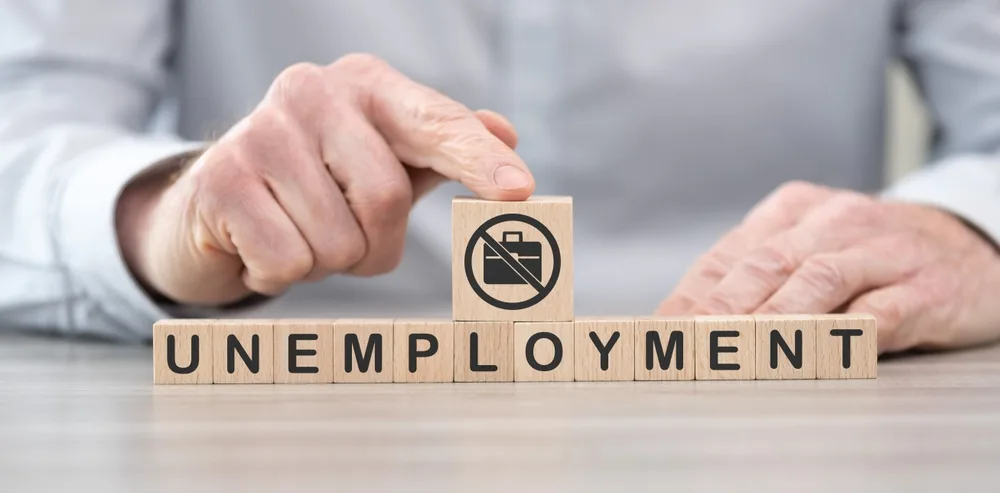
For years, college graduates were told the same thing:
Get a degree, build a resume, apply online, and the job offers will eventually come.
But in 2026, many young professionals are discovering that the traditional career path no longer works the way it once did.
Across industries ranging from technology and finance to marketing and customer support, entry-level hiring has slowed dramatically. At the same time, employers are increasingly demanding AI skills, hands-on experience, and specialized knowledge — even for junior positions.
The result is one of the most confusing job markets recent graduates have faced in years.
And according to labor market researchers, artificial intelligence is only part of the story.
The Entry-Level Job Market Is Changing Fast
Recent hiring reports show that the labor market for new graduates has become far more competitive in 2026.
The National Association of Colleges and Employers (NACE) reports that while overall hiring for the Class of 2026 is expected to rise modestly, growth is uneven and heavily influenced by AI-related changes in the workplace.
One of the biggest shifts is the rapid increase in employers requiring artificial intelligence skills for entry-level roles.
According to NACE’s Spring 2026 report, demand for AI-related skills in entry-level jobs has nearly tripled compared to late 2025.
That means employers are no longer simply looking for graduates with degrees. They increasingly want candidates who already understand:
- AI productivity tools
- Automation workflows
- Data analysis software
- Digital collaboration platforms
- Prompt engineering basics
- Technical problem-solving
For many recent graduates, that shift has created enormous pressure.
AI Is Reshaping Entry-Level Work
One reason hiring has become more difficult is because AI tools are now capable of performing many of the repetitive tasks once assigned to junior employees.
Researchers studying labor demand in 2026 found that companies are redesigning job responsibilities around generative AI systems instead of simply replacing workers outright.
This includes tasks like:
- Drafting reports
- Research assistance
- Basic coding
- Customer service responses
- Administrative scheduling
- Marketing copy generation
- Data summarization
As AI handles more entry-level tasks, some companies are reducing junior hiring while expecting smaller teams to accomplish more work.
That shift has led to growing fears that traditional “career ladder” positions may continue shrinking over time.
Some Experts Say Remote Work Is Also Affecting Hiring
While AI receives most of the attention, newer research suggests remote work trends may also be contributing to the decline in entry-level hiring.
A 2026 study highlighted by Business Insider found that work-from-home environments may unintentionally reduce opportunities for junior employees because companies struggle with mentoring, supervision, and training in fully remote settings.
Researchers found that industries with higher levels of remote work experienced larger declines in junior hiring over recent years.
Some economists believe this is happening because employers increasingly prefer experienced workers who can operate independently in hybrid or remote environments.
That leaves many recent graduates competing for fewer true entry-level opportunities.
The Numbers Are Fueling Career Anxiety
The economic data surrounding young workers has added to growing concerns.
Several labor market analyses published in 2026 report:
- Rising unemployment among recent graduates
- Increased underemployment
- Declining entry-level job postings
- Higher competition for remote jobs
One analysis found that underemployment among recent college graduates has climbed above 40%, with many degree holders working in jobs that do not require a bachelor’s degree.
Another report found entry-level job postings have fallen sharply since 2023, especially in technology and data-related roles.
For graduates carrying student loan debt, the pressure can feel overwhelming.
Employers Are Prioritizing Skills Over Degrees
One of the biggest career trends of 2026 is the rise of skills-based hiring.
Many employers now place greater emphasis on:
- Internships
- Real-world projects
- Certifications
- AI proficiency
- Portfolio work
- Freelance experience
- Communication skills
Some companies are even reducing degree requirements entirely for certain positions.
According to hiring reports, employers increasingly value candidates who can demonstrate practical abilities immediately rather than applicants with purely academic credentials.
This trend is especially strong in:
- Cybersecurity
- Healthcare support
- Skilled trades
- Data analytics
- AI operations
- Cloud computing
- Business automation
A New Career Path Is Emerging: “AI Workflow” Jobs
As companies adopt more AI tools, entirely new types of jobs are starting to appear.
Business Insider recently highlighted the rise of “AI workflow” roles — positions focused on helping organizations automate tasks and improve productivity using AI systems.
These jobs often involve:
- Testing AI tools
- Streamlining business operations
- Managing automation systems
- Improving internal workflows
- Training teams to use AI effectively
Some companies now see AI fluency as a major advantage even for non-technical positions.
That means graduates who understand how to work alongside AI may have a significant edge in the job market.
Students Are Becoming Increasingly Frustrated
The growing uncertainty surrounding AI and employment has triggered visible backlash among students in 2026.
At several recent college graduation ceremonies, students reportedly booed commencement speakers promoting AI innovation because many graduates viewed the speeches as disconnected from current job market realities.
Many young workers say they feel caught between two conflicting messages:
- AI is the future
- AI may eliminate career opportunities
That tension has become one of the defining workplace debates of 2026.
Not Every Industry Is Struggling
Despite the challenges, some industries continue hiring aggressively.
Reports suggest strong demand remains in:
- Healthcare
- Cybersecurity
- Skilled trades
- Energy infrastructure
- AI engineering
- Accounting
- Compliance
- Business operations
Small businesses are also expected to hire large numbers of graduates in 2026, particularly for practical operational roles less vulnerable to automation.
Some experts believe workers who combine technical skills with strong communication and adaptability may remain highly competitive even as AI changes the labor market.
Remote Jobs Are Still Highly Competitive
Remote work remains one of the most searched career topics online in 2026.
But fully remote positions now attract enormous numbers of applicants, making the hiring process far more competitive than many job seekers expect.
Online discussions among job seekers reveal growing frustration with:
- Automated rejection systems
- AI resume screening
- Fake job listings
- Delayed hiring processes
- Extremely high applicant volumes
Many career advisors now recommend networking, referrals, and direct outreach over relying exclusively on online job boards.
What Career Experts Recommend in 2026
Although the job market remains uncertain, many hiring experts recommend focusing on a few core strategies:
- Learn AI productivity tools
- Build project-based experience
- Develop communication skills
- Create a portfolio of work
- Pursue internships whenever possible
- Network consistently
- Stay flexible about career paths
- Continue building digital skills
Researchers also emphasize that AI is changing jobs — not necessarily eliminating all jobs entirely.
In many industries, workers who understand how to use AI effectively may outperform those who ignore it completely.
The Bottom Line
The career landscape in 2026 looks very different from the one students expected just a few years ago.
Artificial intelligence, remote work, economic uncertainty, and changing employer expectations are all reshaping the entry-level job market at the same time.
That combination has made finding stable career opportunities more difficult for many graduates.
But it has also created new opportunities for workers who can adapt quickly, learn emerging technologies, and build practical skills beyond traditional education.
For young professionals entering the workforce today, success may depend less on having the “perfect” degree — and more on learning how to evolve alongside a rapidly changing economy.